Unlock the secrets behind a diamond’s price tag. From the legendary 4Cs to market forces and certification, this guide reveals the key factors that determine the value of loose diamonds in Britain, empowering you to make a confident and informed investment.
The allure of a diamond is timeless. It’s a symbol of love, a marker of achievement, and a piece of Earth’s profound history. But when you decide to purchase one, especially a Loose Diamonds UK enthusiast looking for the perfect stone to set, you’re faced with a fascinating puzzle: why do two seemingly similar diamonds carry such different price tags? The answer lies in a complex interplay of quality, science, and market forces. Understanding these factors is the key to making an informed and confident investment.
The Unshakeable Foundation: The 4Cs
First defined by the Gemological Institute of America (GIA) in the mid-20th century, the 4Cs remain the universal language for assessing diamond quality and the primary driver of price. Think of them as the DNA of a diamond’s value.
1. Cut: The Architect of Brilliance
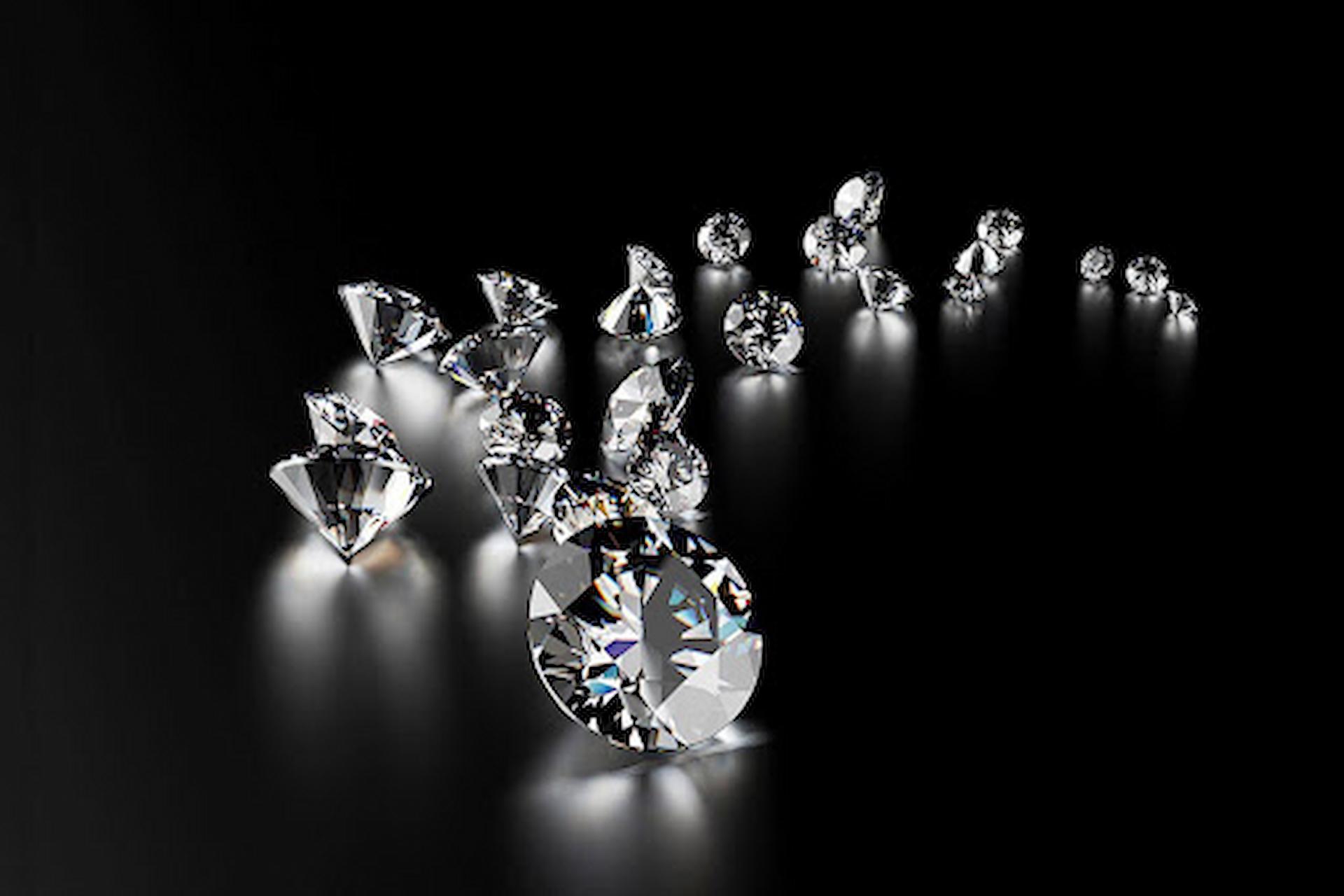
Often mistaken for shape (e.g., round, oval, pear), the cut is arguably the most important ‘C’. It refers to how well a diamond’s facets interact with light. A master craftsman doesn’t just cut a diamond; they sculpt it to achieve maximum brilliance (white light reflection), fire (flashes of colour), and scintillation (sparkle when moved).
- Excellent/Ideal Cut: Commands the highest premium. Precision angles and proportions maximise light return, creating breathtaking sparkle.
- Very Good/Good Cut: Offers a superb balance of beauty and value, with minor compromises that are often invisible to the untrained eye.
- Fair/Poor Cut: A stone cut too shallow or too deep allows light to leak out from the sides or bottom, resulting in a dull, lifeless appearance. These are significantly less expensive.
Actionable Tip: Prioritise cut grade above all else. A well-cut diamond can make a lower colour or clarity grade appear more vibrant, while a poorly cut ‘D Flawless’ stone will look dull.
2. Carat: The Weight of the Matter
Carat is the standard unit of weight for diamonds, with one carat equalling 200 milligrams. It’s the most objective of the 4Cs, but its relationship with price is not linear.
- Price Jump Phenomenon: Larger diamonds are exponentially rarer. Therefore, a 1-carat diamond will cost significantly more per carat than a 0.90-carat diamond of identical quality. This creates “magic sizes” (0.50ct, 1.00ct, 1.50ct, etc.) where prices jump noticeably.
- Spread vs. Sparkle: A heavier diamond may be cut shallower to retain weight, making it appear larger from above (a larger ‘spread’) but sacrificing brilliance. Always value sparkle over mere millimetres.
3. Colour: The Quest for Purity
The GIA colour scale runs from D (exceptionally white) to Z (light yellow or brown). The grading is done under controlled lighting by comparing the diamond to master stones of known colour.
- Near Colourless (G-J): This range is the sweet spot for many buyers. These diamonds appear white to the naked eye, especially once set in jewellery, but cost considerably less than the top-tier (D-F) grades.
- Fancy Colours: Diamonds with natural, intense colours beyond the Z grade (yellows, pinks, blues) are called “fancies” and are graded on a different scale where intensity drives value.
Actionable Tip: For a brilliant white appearance in a white gold or platinum setting, aim for G-H. In yellow or rose gold, which masks faint yellow tints, you can comfortably go to I-J without perceiving any colour.
4. Clarity: The Fingerprint of Nature
Clarity grades assess the internal (inclusions) and external (blemishes) characteristics of a diamond. Formed under immense heat and pressure deep within the Earth, these are natural birthmarks, not flaws. When searching for the perfect Loose Diamonds UK market offers, understanding this clarity spectrum is key to finding exceptional value without compromising on beauty.
- Flawless (FL) to Slightly Included (SI): Most consumers focus on the range from SI1 and up. An SI1 inclusion is often not visible without magnification, making it a popular choice for excellent value.
- The “Eye-Clean” Standard: The goal is to find a diamond that is “eye-clean” – no inclusions visible to the naked eye. You can often save substantially by choosing an SI1 diamond over a VVS2, as both will look identical once set and worn.
Beyond the 4Cs: The Critical Hidden Factors
While the 4Cs are the main event, several other elements play a crucial role in pricing.
The Certificate: Your Diamond’s Birth Certificate
A diamond grading report from a reputable, independent lab (like GIA or AGS) is non-negotiable. It is an unbiased verification of the 4Cs and protects you from overpaying for misrepresented quality. A certified diamond will always be worth more than an uncertified one of supposed equal quality.
Shape & Fluorescence
- Shape: Round brilliant cuts are the most popular and, due to both demand and the higher amount of rough diamond wasted during cutting, they are the most expensive per carat. Fancy shapes (oval, cushion, emerald) often offer more surface area for the same carat weight and can be 20-40% less expensive.
- Fluorescence: This is a diamond’s tendency to emit a soft glow (usually blue) under UV light. In strong grades (Very Strong), it can sometimes cause a stone to appear hazy or oily, reducing value. However, faint to medium fluorescence can make a slightly yellowish diamond (e.g., K-L) appear whiter, potentially adding value in those specific cases.
Market Dynamics & Provenance
The global diamond market influences prices. Supply chain costs, economic conditions, and currency exchange rates (particularly GBP-USD, as diamonds are traded in dollars) all play a part. Furthermore, a diamond’s provenance—especially if it can be verified as ethically sourced and conflict-free—is increasingly important to modern consumers and can add a premium to its value.
In Closing
Navigating the world of Loose Diamonds UK can seem daunting, but it becomes an exciting adventure once you’re armed with knowledge. Remember to start with an excellent cut, use a certificate as your guide, and balance the other Cs to fit your budget and desire for size or purity.
The true value of a diamond is not just in its certificate or price per carat, but in the joy it brings for a lifetime. For those ready to embark on this journey, partnering with a reputable expert is essential. To view a curated collection of certified, ethically sourced Loose Diamonds UK, explore the exquisite range available at Beverley Hills Jewellers. Their expertise can help you find a stone where impeccable quality meets timeless beauty, ensuring your investment is as brilliant as it is meaningful.