Planning a landscape project is an exciting process. Whether you are redesigning a garden, improving outdoor functionality, or enhancing visual appeal, the decisions you make early on will shape the final outcome. A well-planned approach helps you avoid costly mistakes, ensures efficient use of space, and delivers results that align with your goals. If you’re unsure where to begin, you might ask yourself, Need help with a landscape planning project?
Before breaking ground, it is important to step back and evaluate key factors that influence both design and execution. From understanding your site to setting realistic expectations, each step plays a crucial role in building a landscape that is both practical and visually balanced.
Understand the Purpose of Your Project
The first step in any landscape planning project is to define its purpose. Without a clear objective, it becomes difficult to make consistent design choices.
Ask yourself what you want to achieve. Are you looking to create a relaxing outdoor retreat, improve kerb appeal, or increase usable space for entertaining? Some projects may focus on sustainability, while others prioritise aesthetics or functionality.
Clarity at this stage helps guide every decision that follows, from layout to material selection.
Evaluate the Existing Site Conditions
Every outdoor space has its own characteristics, and understanding them is essential before making changes. A thorough site assessment allows you to work with the natural environment rather than against it.
Pay attention to factors such as:
- Soil quality and drainage
- Sunlight patterns throughout the day
- Existing vegetation and structures
- Slope and elevation changes
- Local climate conditions
For example, areas with poor drainage may require specific solutions before planting begins. Similarly, shaded spaces will influence the types of plants that can thrive. Observing these details ensures your design is both realistic and sustainable.
Set a Realistic Budget
Budget planning is often overlooked at the beginning, yet it has a significant impact on the scope of the project. Establishing a clear budget early helps you prioritise features and avoid unexpected financial strain.
Consider not only the cost of materials and labor but also ongoing maintenance. Some landscape designs may look appealing initially but require high upkeep over time.
A practical budget allows you to balance quality with affordability, ensuring that your investment delivers long-term value.
Develop a Clear Design Plan
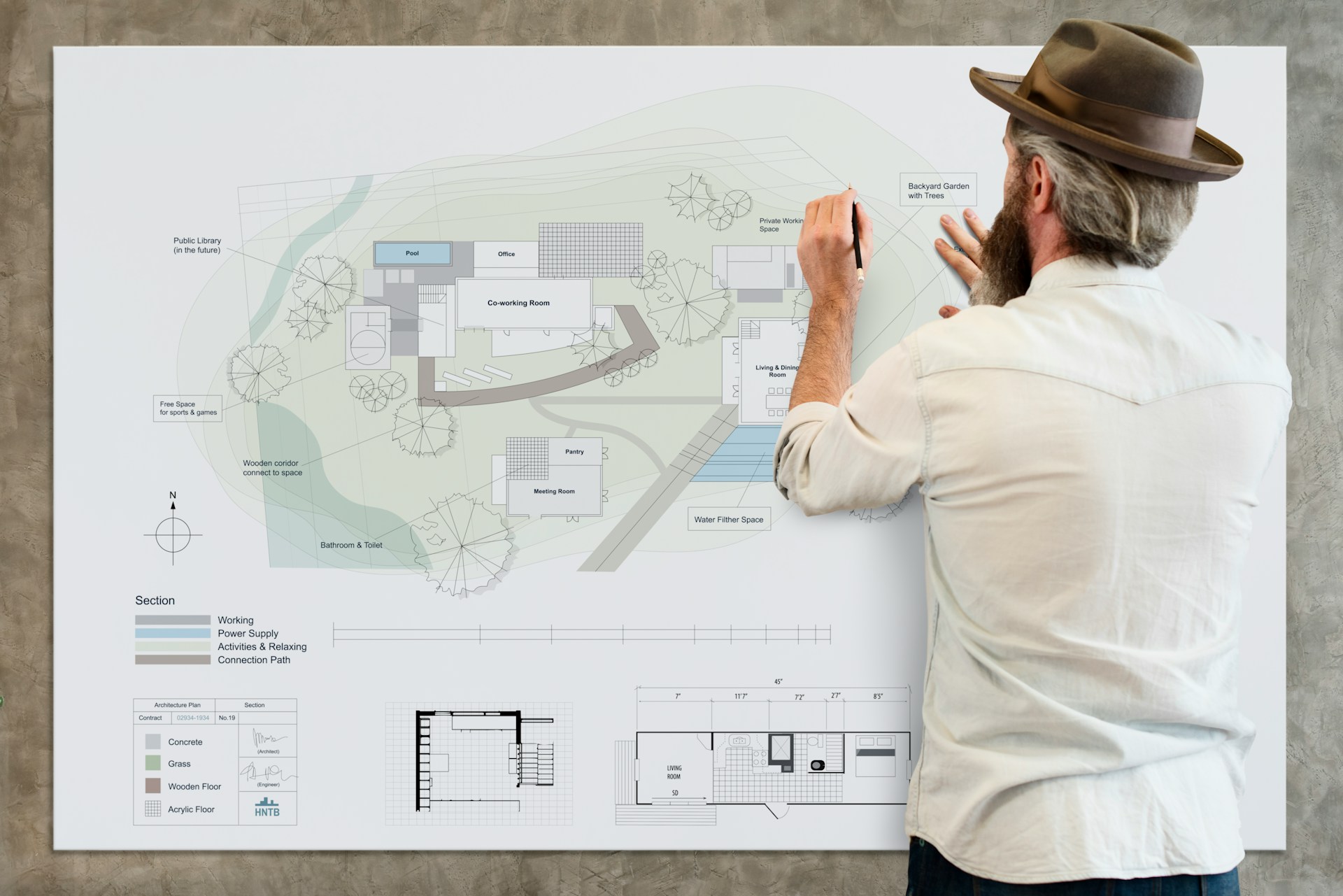
A well-thought-out design acts as a roadmap for your project. It brings together your goals, site conditions, and budget into a cohesive plan.
Start by sketching a basic layout. Identify zones for different uses, such as seating areas, pathways, planting beds, or water features. Think about how people will move through the space and how each element connects to the next.
It is also important to consider scale and proportion. Oversized features can overwhelm smaller spaces, while under-designed areas may feel incomplete. A balanced design creates harmony and improves usability.
Choose Suitable Materials and Plants
Material and plant selection should align with both your design and the environment. This step requires careful thought, as it directly affects durability, maintenance, and overall appearance.
When selecting materials, consider factors such as:
- Weather resistance
- Maintenance requirements
- Compatibility with surrounding structures
For planting, choose species that suit your climate and soil conditions. Native plants are often a reliable choice, as they adapt well and require less maintenance.
Combining the right materials with suitable planting creates a landscape that feels natural and cohesive.
Consider Sustainability and Environmental Impact
Modern landscape planning increasingly focuses on sustainability. Incorporating environmentally conscious practices not only benefits the ecosystem but also reduces long-term maintenance.
Simple steps can make a significant difference, such as:
- Using water-efficient irrigation systems
- Choosing drought-tolerant plants
- Reducing hard surfaces to improve water absorption
- Incorporating green infrastructure solutions
Sustainable planning ensures that your landscape remains functional and responsible over time.
Plan for Maintenance from the Start
A landscape is not a one-time project. It requires ongoing care to maintain its appearance and functionality. Planning for maintenance early helps you avoid future challenges.
Consider how much time and effort you can realistically dedicate to upkeep. Features such as extensive lawns, delicate plants, or complex water systems may require regular attention.
Designing with maintenance in mind allows you to create a space that remains attractive without becoming a burden.
Understand Local Regulations and Permissions
Depending on the scale of your project, there may be local regulations or permissions required before work begins. This is particularly relevant for larger developments or projects involving structural changes.
Check with local authorities regarding:
- Planning permissions
- Environmental guidelines
- Property boundaries and restrictions
Ensuring compliance from the start helps you avoid delays or legal complications later.
Seek Professional Guidance When Needed
While smaller projects can often be managed independently, more complex plans may benefit from professional input. Experts bring technical knowledge, creative insight, and practical experience that can significantly improve outcomes.
If you find the process overwhelming or require specialised advice, it may be worth consulting professionals. For instance, if you’re unsure where to begin or need expert support, you can explore options here: Need help with a landscape planning project?
Professional guidance can help refine your ideas and ensure that your project is both feasible and well-executed.
Create a Realistic Timeline
Timing is another important factor in landscape planning. Different elements of your project may depend on seasonal conditions, especially when it comes to planting.
Develop a timeline that accounts for:
- Design and planning stages
- Material sourcing
- Construction phases
- Planting schedules
A structured timeline helps keep the project organised and ensures steady progress without unnecessary delays.
Final Thoughts
Starting a landscape planning project requires more than just creative ideas. It involves careful preparation, practical decision-making, and a clear understanding of your goals.
By taking the time to assess your site, define your objectives, and plan each step thoughtfully, you set a strong foundation for success. A well-planned landscape not only enhances visual appeal but also improves functionality and long-term value.
Approaching the process with clarity and attention to detail ensures that your outdoor space evolves into something both purposeful and enduring.