Demolition projects involve far more than bringing down a structure. Every stage requires careful planning, skilled professionals, and strict safety procedures to protect workers, nearby properties, and the environment. Whether removing a small residential building or clearing a large commercial site, safety remains the highest priority from start to finish.
Choosing experienced specialists in demolition Buckinghamshire ensures projects are completed responsibly while meeting current regulations. Reliable contractors understand how to identify risks before work begins and apply effective measures throughout the process. As a result, clients benefit from safer sites, fewer delays, and better project outcomes.
Careful Planning Before Work Begins
Successful demolition starts long before machinery arrives on site. Every building presents different challenges, so a detailed assessment is essential.
Professional teams carrying out demolition Buckinghamshire begin by inspecting the structure, reviewing building plans where available, and identifying potential hazards. They also evaluate neighbouring properties, underground utilities, and public access routes.
This planning stage allows contractors to create a safe demolition strategy while ensuring compliance with health and safety legislation.
Comprehensive Risk Assessments
A thorough risk assessment identifies anything that could endanger workers or the public. It also determines the best methods for reducing those risks.
Key areas typically assessed include:
- Structural stability
- Hazardous materials
- Access and escape routes
- Dust and noise control
By addressing these issues early, demolition teams reduce the likelihood of accidents and unexpected interruptions.
Identifying Hazardous Materials
Many older buildings contain materials that require specialist handling before demolition begins. These may include asbestos, lead paint, contaminated insulation, or chemical residues.
Licensed professionals safely remove hazardous materials before structural demolition starts. This protects workers from exposure while preventing harmful substances from entering the surrounding environment.
Proper waste disposal also ensures compliance with environmental regulations and supports responsible site management.
Using the Right Equipment
Modern demolition relies on specialist machinery designed for different building types and project sizes. Selecting suitable equipment improves both efficiency and safety.
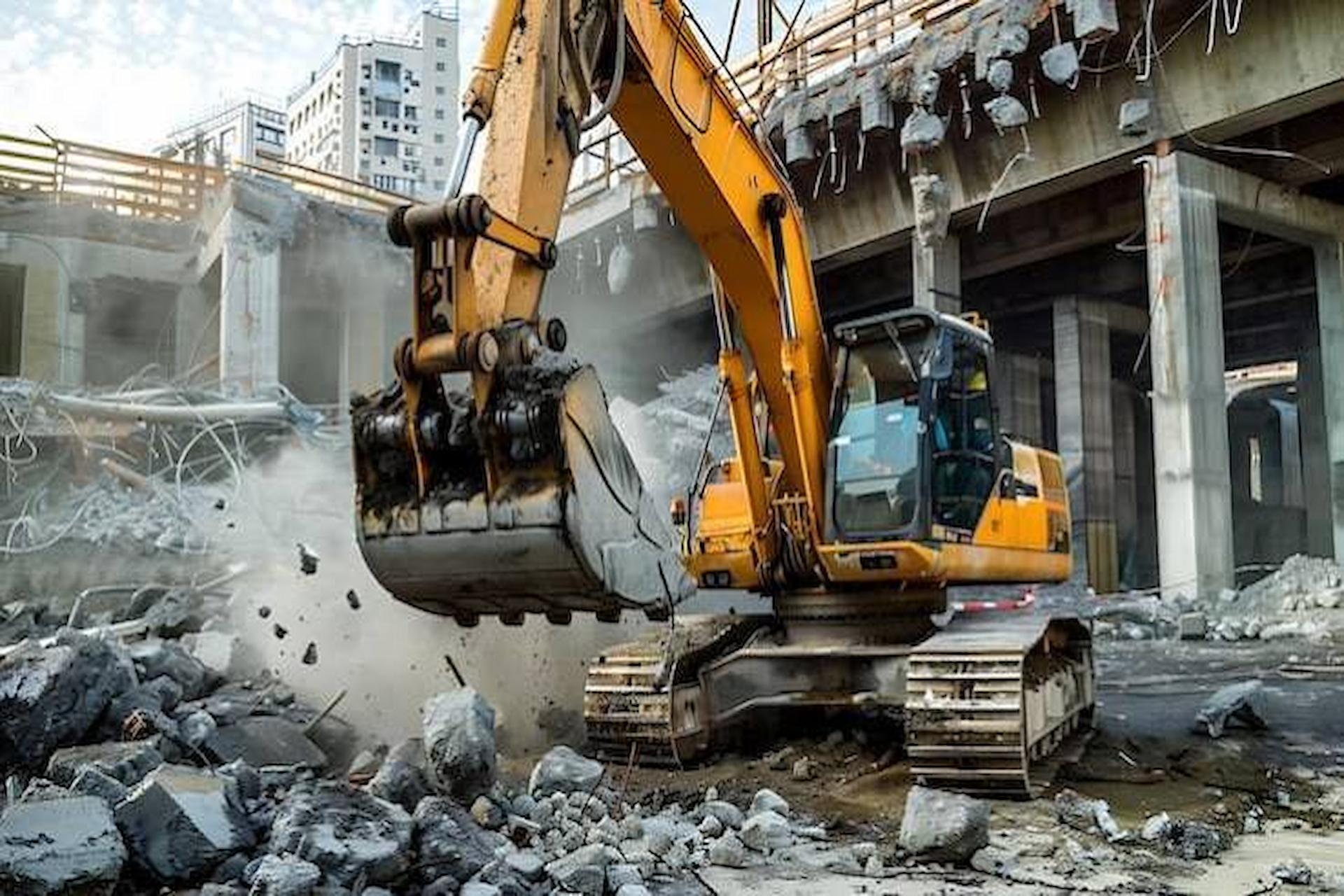
Excavators fitted with demolition attachments, high-reach machines, crushers, and dust suppression systems all play important roles. Regular maintenance and daily inspections ensure equipment performs safely throughout the project.
Operators must also receive appropriate training to use machinery correctly and respond effectively to changing site conditions.
Protecting Workers on Site
Every demolition site should have clear safety procedures that all personnel understand and follow. Proper training helps workers recognise hazards and use equipment safely.
Personal protective equipment is equally important. Depending on the project, workers may wear helmets, safety boots, eye protection, gloves, hearing protection, and respiratory masks.
Supervisors should also carry out regular safety briefings to reinforce good working practices and discuss any new risks that arise during the project.
Managing Dust, Noise and Debris
Demolition activities naturally generate dust, vibration, and noise. Without suitable controls, these can affect neighbouring properties and public health.
Contractors reduce dust by using water suppression systems and carefully controlling debris during demolition. Temporary barriers and fencing help contain materials within the work area, while designated exclusion zones keep unauthorised people safely away.
Noise management plans and controlled working hours also minimise disruption for nearby residents and businesses.
Clear Communication Throughout the Project
Good communication supports safer demolition at every stage. Everyone involved should understand their responsibilities before work begins.
Site managers coordinate daily activities, monitor safety performance, and ensure any concerns are addressed immediately. Regular updates between contractors, clients, utility providers, and local authorities help prevent misunderstandings that could create unnecessary risks.
In addition, clear signage around the site informs visitors and members of the public about restricted areas and ongoing work.
Ongoing Monitoring and Compliance
Safety does not stop once demolition begins. Continuous monitoring allows contractors to respond quickly if site conditions change.
Regular inspections check structural stability, equipment performance, and environmental controls. If unexpected issues arise, work can be paused while new safety measures are introduced.
Experienced providers of demolition Buckinghamshire understand that maintaining compliance throughout the project protects workers, clients, and surrounding communities while keeping projects on schedule.
Conclusion
Every successful demolition project depends on strong safety standards from beginning to end. Careful planning, detailed risk assessments, specialist equipment, trained professionals, and continuous monitoring all contribute to safe and efficient operations.
By working with experienced demolition contractors who prioritise safety and regulatory compliance, property owners can minimise risks, protect the environment, and achieve successful project outcomes with confidence.