When choosing packaging, details matter more than they first appear. One term you will often encounter when selecting paper carrier bags is GSM. While it may seem like a technical specification, it plays a central role in how a bag performs, looks, and feels in everyday use. If you have ever compared different bag options, you may have noticed variations in thickness, durability, and price—GSM is usually the reason behind those differences.
For businesses exploring packaging options such as printed cotton bags or paper alternatives, understanding GSM can help you make informed decisions. It ensures that your bags not only reflect your brand image but also meet practical needs like carrying weight and maintaining quality over time.
What Does GSM Actually Mean?
GSM stands for grams per square metre. It is a measurement used to describe the weight and density of paper. In simple terms, it tells you how thick or heavy a sheet of paper is.
The higher the GSM, the thicker and sturdier the paper will be. Lower GSM values indicate lighter, thinner paper. This measurement is widely used across the printing and packaging industries because it provides a consistent way to compare materials.
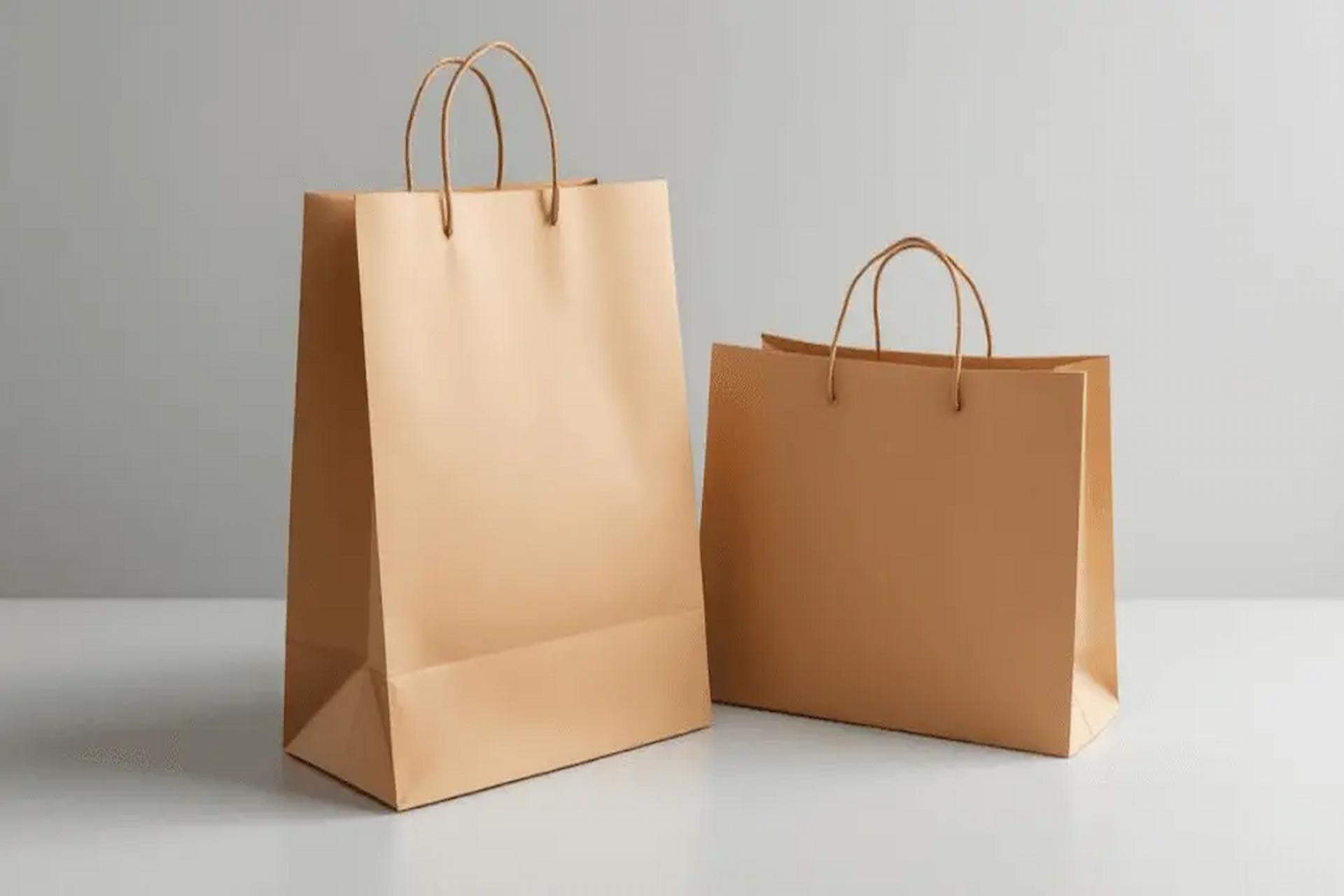
For paper carrier bags, GSM directly affects how strong the bag feels in your hand and how well it performs when carrying items.
How GSM Influences Strength
Strength is one of the most important factors when choosing paper bags, especially for retail use. GSM plays a direct role in determining how much weight a bag can handle without tearing or losing its shape.
Lower GSM paper, such as 80–100 GSM, is lightweight and more suitable for carrying smaller or less bulky items. While it may be cost-effective, it is not ideal for heavier goods.
Medium GSM paper, typically around 120–170 GSM, offers a good balance between strength and flexibility. This range is commonly used for standard retail bags, as it can comfortably carry everyday purchases without feeling too bulky.
Higher GSM paper, such as 180 GSM and above, provides greater durability. These bags feel more premium and are designed to carry heavier items. They also tend to hold their structure better, which enhances the overall user experience.
The Impact on Look and Feel
Beyond strength, GSM also influences how a paper bag looks and feels. This is particularly important for businesses that want their packaging to leave a positive impression.
Thicker paper with a higher GSM often feels more substantial and high-quality. It gives a sense of durability and care, which can reflect well on your brand. Customers are more likely to reuse bags that feel strong and well-made, extending your brand visibility.
On the other hand, lower GSM paper tends to feel lighter and less rigid. While this may suit certain applications, such as takeaway packaging or temporary use, it may not create the same premium impression.
Texture and finish also interact with GSM. A higher GSM allows for better printing quality and more refined finishes, which can enhance branding elements such as logos and colors.
How GSM Affects Cost
Cost is always a key consideration, and GSM has a direct impact on pricing. As the GSM increases, more material is used, which raises production costs.
Lower GSM bags are generally more affordable because they use less paper. They are suitable for high-volume needs where cost efficiency is a priority.
Medium GSM bags offer a balance between cost and performance, making them a popular choice for many retailers. They provide adequate strength without significantly increasing expenses.
Higher GSM bags are more expensive due to the increased material and enhanced durability. However, they can offer better long-term value by improving customer perception and reducing the likelihood of damage.
When comparing options like paper bags and printed cotton bags, it is useful to consider not just the upfront cost but also how the packaging will be used and perceived over time.
Choosing the Right GSM for Your Needs
Selecting the right GSM depends on several practical factors. There is no one-size-fits-all solution, so it is important to match the material to your specific requirements.
Here are key points to consider:
- Type of products
Heavier or bulkier items require higher GSM paper to prevent tearing. Lightweight products can be carried in lower GSM bags without issues. - Brand positioning
Premium brands often choose higher GSM bags to create a stronger visual and tactile impression. This adds perceived value to the overall experience. - Usage frequency
If customers are likely to reuse the bag, a higher GSM is usually a better choice as it increases durability. - Budget constraints
For large-scale operations, cost efficiency may take priority, making medium GSM a practical compromise. - Environmental considerations
Thicker paper uses more material, but if it leads to reuse, it may balance out in terms of sustainability. Choosing wisely depends on how the bags will be used after purchase.
Comparing Paper Bags with Other Materials
While GSM is specific to paper, it is helpful to compare it with other materials used in packaging. For example, printed cotton bags are often chosen for their reusability and long lifespan. They do not rely on GSM in the same way, but their thickness and weave play a similar role in determining strength and durability.
Paper bags, particularly those with higher GSM, can offer a strong and visually appealing option. However, they are generally designed for shorter-term use compared to fabric alternatives.
The choice between materials often comes down to purpose. Paper bags are ideal for convenience and branding, while cotton bags are better suited for repeated use.
Balancing Practicality and Presentation
One of the main challenges in packaging is finding the right balance between practicality and presentation. GSM sits at the centre of this decision.
A bag that is too thin may fail under pressure, leading to a poor customer experience. On the other hand, a bag that is unnecessarily thick may increase costs without delivering additional value.
The goal is to choose a GSM that aligns with your products, brand image, and customer expectations. By doing so, you ensure that your packaging performs well while also supporting your overall business objectives.
Conclusion
GSM may seem like a small detail, but it has a significant impact on the strength, feel, and cost of paper carrier bags. Understanding how it works allows you to make better decisions when selecting packaging for your business.
From lightweight options for simple use to heavier, more durable choices for premium presentation, GSM provides a clear framework for comparing materials. By considering factors such as product weight, brand image, and budget, you can find the right balance that meets both practical and aesthetic needs.
Ultimately, well-chosen packaging does more than carry products—it enhances the customer experience and reinforces the quality your brand represents.