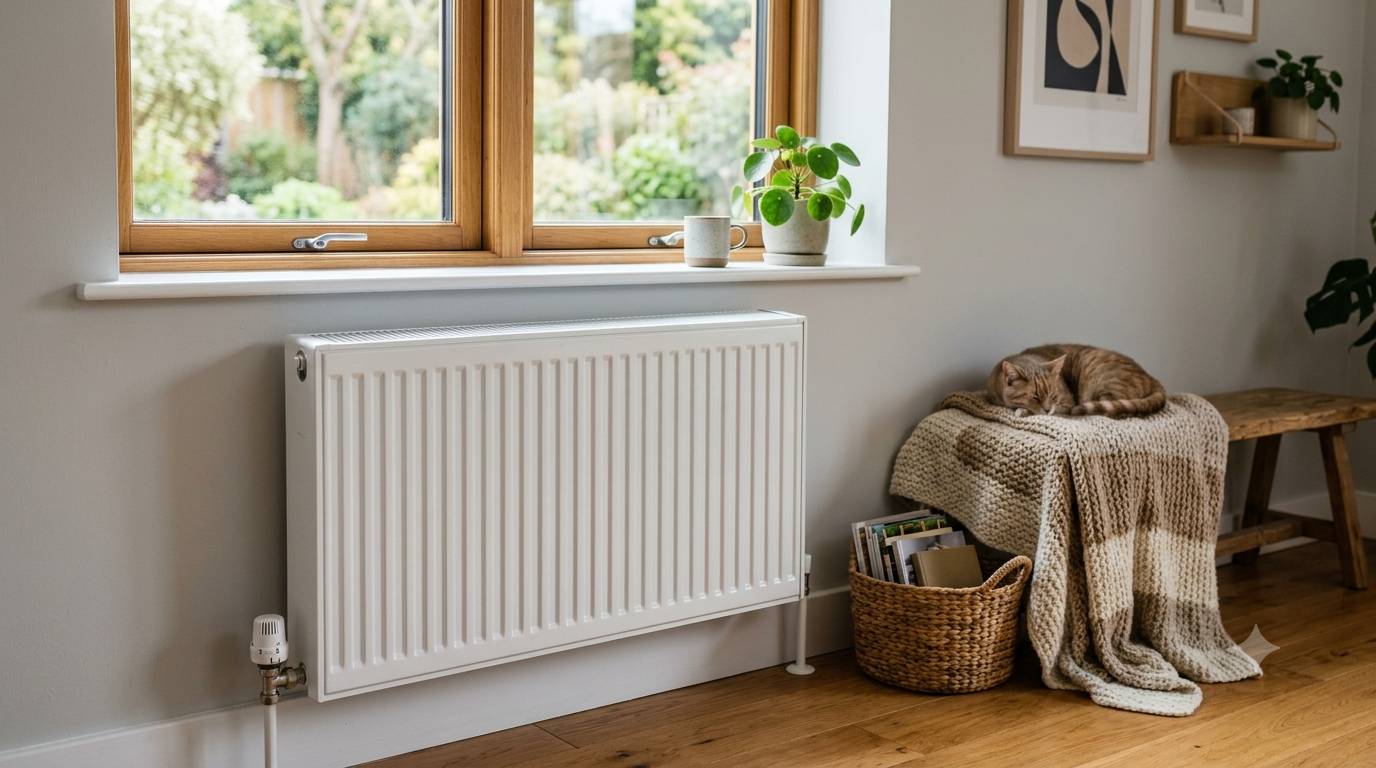
A new radiator should offer more than reliable warmth and attractive design. Its guarantee should clearly explain what happens if the product develops a fault. Understanding the warranty period, covered components, exclusions, claim process, installation conditions, and legal rights helps you buy confidently and avoid unpleasant surprises later at home.
Buying a new radiator involves more than selecting the right size, heat output, colour, or style. The warranty matters because it shows how the manufacturer will respond if a product fault appears after installation. When considering a radiator from Stelrad, buyers should read the product-specific terms rather than assuming every model receives identical cover. A strong warranty should explain its duration, the faults included, any installation requirements, the parts protected, and the steps needed to make a claim. Reading these details before purchase can protect your investment, reduce uncertainty, and help you compare radiator options on more than appearance alone.
Why the Written Warranty Matters
A radiator is a long-term household purchase, so verbal reassurance is not enough. The warranty should be supplied in writing and available before ordering. It should identify the manufacturer, product range, start date, length of cover, and main conditions. Check whether protection begins on the purchase, delivery, or installation date, especially when renovation work will start later. Keep the invoice, order confirmation, product label, and installation documents together. These records can prove ownership and help avoid delays if a fault appears several years after purchase.
Manufacturing and Material Faults Should Be Covered
The main purpose of a radiator warranty is to protect against defects caused during manufacturing, assembly, or material selection. This may include faulty welds, weak seals, defective metal, or a factory-applied finish that fails unexpectedly. The terms should describe these faults clearly. Damage caused by careless handling, poor storage, accidental impact, or incorrect installation may be excluded. Inspect the radiator immediately after delivery and report visible dents, scratches, or packaging damage before installation. Once the product has been fitted, proving when damage occurred can become more difficult.
Check Which Components Receive Protection
Not every component necessarily receives the same warranty period. The main radiator body may have longer cover than valves, electric controls, heating elements, brackets, casings, or accessories. This matters when buying an electric radiator, towel radiator, designer model, or low surface temperature product. Ask whether the warranty protects the complete unit or only selected parts. It should explain how long each component is covered and whether labour is included. Without this detail, a lengthy headline warranty may provide less practical protection than the buyer expects.
Understand Parts and Labour Cover
A guarantee may provide replacement parts without paying for the work required to remove and refit the radiator. Labour, call-out charges, system draining, transport, and redecoration can add significant cost. Buyers should therefore look beyond the advertised number of years. The terms should explain when labour is included, whether approval is needed before work begins, and who selects the installer. They should also clarify collection and delivery costs. This information reveals the real financial value of the warranty if a valid fault develops.
Warranty Lengths Can Vary by Product
Warranty periods often differ according to construction, intended use, and internal components. A standard steel panel radiator may receive different cover from a designer radiator, towel rail, electric model, or radiator with a separate casing. When comparing products from Stelrad, read the warranty information for the exact model rather than relying on a general statement about the wider range. Consider what remains covered during each year, whether labour protection ends earlier, and which conditions must be followed. Product-specific terms provide a more accurate basis for comparison.
Correct Installation Should Be a Clear Condition
Most radiator warranties depend on correct installation. The unit may need to be fitted by a competent person, connected according to the supplied instructions, and operated within stated pressure and temperature limits. Incorrect pipework, unsuitable valves, insecure brackets, or poor mounting can affect performance and invalidate a claim. Ask the installer to follow the manufacturer’s guidance and retain a dated invoice identifying the product and installation address. Written evidence of professional work can be valuable when the cause of a fault is uncertain.
Water Quality and Room Conditions Matter
The heating system and room environment can affect warranty protection. Untreated system water, sludge, corrosion, repeated air entry, or unsuitable chemicals may damage the radiator internally. High humidity in bathrooms, kitchens, shower rooms, and toilets can also affect the finish of products not designed for those locations. Confirm that the selected radiator is suitable for the intended room and heating system. Maintain adequate ventilation and follow guidance on inhibitor and system cleanliness. Correct product selection is safer than assuming the same cover applies everywhere.
Unauthorised Changes May Void the Warranty
Repainting, bending, drilling, altering connections, removing factory parts, or using harsh cleaning products may invalidate warranty protection. These changes can damage the finish, weaken the structure, or make the original cause of a fault difficult to identify. Choose the required colour, size, finish, and connection arrangement before ordering. Where touch-up work is needed, use approved products and follow the care instructions. Ask for written guidance before making any alteration that could affect the surface, casing, controls, valves, or internal components.
Registration and Transferability Should Be Explained
Some guarantees require online registration within a set period, while others apply automatically. Check whether the policy can transfer if the property is sold or whether only the original purchaser can claim. Transferable protection may add reassurance for future owners, but the terms should explain what documents must pass with the radiator. Also confirm whether buying through an authorised retailer is required. Register promptly when necessary and save the confirmation email, serial number, invoice, and warranty document in one accessible place.
The Claim Process Should Be Straightforward
A useful warranty should explain who to contact, what evidence is required, how the radiator will be assessed, and what outcomes may be offered. Buyers may need proof of purchase, photographs, product codes, installer details, or information about the heating system. Some claims require the radiator to be returned for inspection, and water samples may occasionally be requested to identify the cause. Check who pays for inspection, packaging, collection, and transport, and whether any charge is refunded when the claim is accepted.
Repair, Replacement, and Legal Rights
The warranty should state whether an accepted claim leads to repair, replacement parts, a replacement radiator, or a refund. It should also explain what happens if the original model is discontinued and whether a replacement receives fresh cover or continues under the original purchase date. A manufacturer’s guarantee adds to consumer rights rather than replacing them. Faulty goods may still be covered by rights against the retailer when they are not of satisfactory quality, fit for purpose, or as described. Keep correspondence and report problems promptly.
Conclusion
A radiator warranty should offer clear, practical protection rather than just an impressive number. Before buying, check the duration of cover, protected components, labour terms, installation rules, room suitability, water-quality requirements, exclusions, and claim process. Keep proof of purchase and installation records, inspect the product on delivery, and report any damage promptly. Avoid unapproved alterations that could affect the finish or structure. Remember, a manufacturer’s guarantee supports but does not replace your consumer rights. When choosing a new radiator from Stelrad, review the terms for the specific model and consider how it will be installed and used. A well-chosen and properly maintained radiator is more likely to provide reliable warmth while keeping warranty protection in place if a genuine fault occurs.