
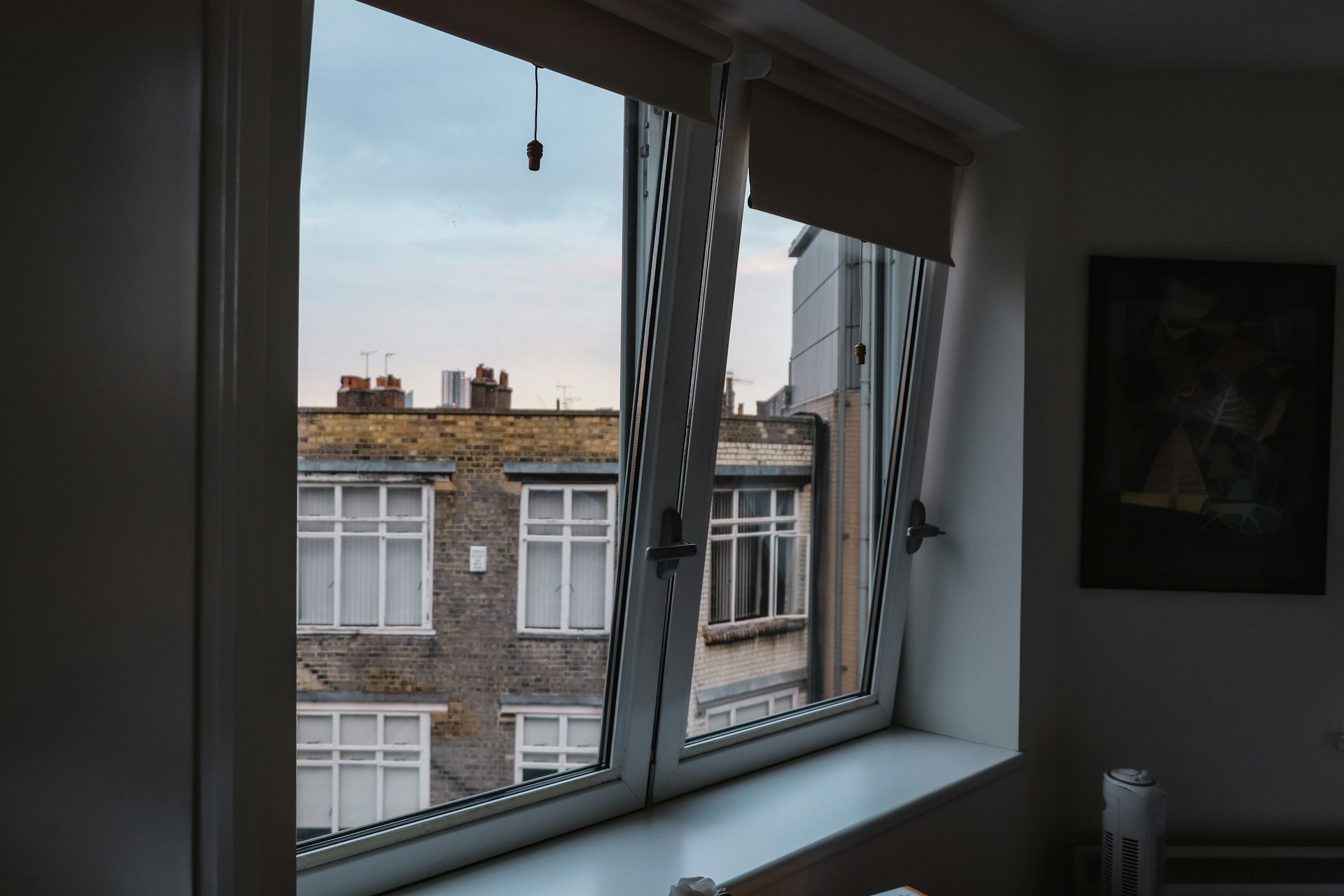
Windows play an important role in maintaining comfortable indoor temperatures and protecting homes against changing weather conditions. Older or inefficient windows can allow heat to escape, creating cold spots and increasing reliance on heating systems. Double glazing offers a practical solution by improving thermal insulation, reducing unwanted draughts and contributing to a more comfortable living environment.
Homeowners considering double glazed windows Chesham can explore various glazing designs, frame materials and insulation options to suit their property. Understanding how these windows work and their long-term benefits can help homeowners make informed decisions when planning energy-efficient home improvements.
Understanding How Double Glazing Works
Double glazed windows consist of two panes of glass separated by a sealed cavity containing air or an insulating gas. This arrangement reduces heat transfer between indoor and outdoor environments, helping homes retain warmth during colder months and limiting unwanted heat transfer during warmer periods.
When choosing double glazed windows Chesham, homeowners should consider glazing specifications, frame materials and installation quality. These factors influence overall thermal performance and determine how effectively the windows contribute to household energy efficiency.
Reducing Heat Loss and Household Energy Costs
Heat escaping through inefficient windows can increase the demand on household heating systems. Double glazing helps reduce this heat loss, allowing indoor temperatures to remain more consistent without relying as heavily on central heating.
The potential energy savings depend on factors such as existing window condition, property insulation and household heating habits. Although replacement windows require an initial investment, improved thermal performance may help reduce long-term heating expenses.
Improving Indoor Comfort and Reducing External Noise
Double glazing helps create a more comfortable indoor environment by reducing cold draughts and maintaining warmer internal glass surfaces. Rooms located near large windows may feel more comfortable during winter when suitable glazing and properly sealed frames are installed.
Additional benefits of double glazing can include:
- Improved thermal insulation throughout the year.
- Reduced heat loss through window openings.
- Lower levels of external noise.
- Reduced condensation on internal glass surfaces.
- Improved comfort near windows.
- Greater flexibility in window designs and styles.
Actual performance varies according to glazing specifications, frame quality and installation standards, making professional assessment valuable before purchasing replacement windows.
Making Better Use of Interior Living Space
Poorly insulated windows can create uncomfortable areas within living rooms, bedrooms and dining spaces. Homeowners may avoid placing furniture near cold windows because of draughts or noticeable temperature differences.
Improved window insulation can make these areas more comfortable and usable. Carefully selected opening styles can also improve ventilation and accessibility without interfering with furniture arrangements or available interior space.
Comparing Single Glazing and Double Glazing
Single glazing consists of one pane of glass and provides limited thermal insulation. Double glazing uses an additional pane and insulating cavity, offering improved thermal performance and potentially better noise reduction.
Both options have different advantages and limitations that homeowners should consider before making a decision.
Advantages and Limitations of Single Glazing
Single glazing may be suitable for certain traditional properties where preserving original architectural features is important. It can also involve lower initial replacement costs.
However, its main limitations include:
- Greater heat loss during winter.
- Increased likelihood of internal condensation.
- Limited external noise reduction.
- Colder surfaces around windows.
- Greater reliance on household heating.
These limitations can affect everyday comfort, particularly in properties with inadequate insulation.
Advantages and Limitations of Double Glazing
Double glazing provides several practical benefits for homeowners seeking improved energy efficiency and indoor comfort. Its insulating properties make it suitable for many modern and older properties.
Key benefits include:
- Reduced heat transfer.
- Improved indoor temperature consistency.
- Better acoustic insulation.
- Potential long-term energy savings.
However, double glazing involves higher initial installation costs, and damaged window seals may eventually require repairs or replacement.
Understanding Planning Permission and Building Regulations
Replacement windows do not generally require planning permission in England when their appearance remains similar to the existing windows. However, restrictions may apply to listed buildings and properties within conservation areas.
Replacement glazing must also comply with applicable building regulations covering energy performance, ventilation and safety. Homeowners should confirm these requirements before installation.
Managing Installation Costs and Household Disruption
Installation costs depend on window dimensions, glazing specifications, frame materials and labour requirements. Obtaining detailed quotations helps homeowners compare available options accurately.
Scheduling installation carefully, moving furniture away from windows and maintaining clear access can minimise household disruption during replacement work.
Conclusion
Double glazed windows offer a practical way to improve energy efficiency, reduce heat loss and enhance everyday home comfort. Selecting suitable materials and glazing specifications helps maximise these benefits.
By considering installation costs, building requirements and long-term maintenance, homeowners can make informed decisions that support a warmer, quieter and more energy-efficient property.


